


Key Takeaways
-
Incorporating GLP-1 agonists before liposuction can support significant weight loss and improve metabolic health, which may enhance surgical outcomes.
-
Knowing how GLP-1 medicines work informs safer and more effective weight-loss plans before cosmetic surgery.
-
By tracking appetite, fat loss, and metabolic markers, you can optimize pre-surgical outcomes and reduce surgical risk.
-
Following medical advice and maintaining open communication with healthcare providers facilitates the safe incorporation of GLP-1 therapies and mitigates side effects.
-
Pairing GLP-1s with healthy lifestyle habits like nutritious eating, regular exercise, and staying hydrated complements your weight loss and recovery.
-
Evaluating personal health history and collaborating with specialists helps determine if GLP-1 therapy is suitable for achieving desired body composition and surgical goals.
GLP-1 peptide stack before liposuction means using GLP-1 receptor agonists along with other peptides ahead of fat removal surgery. A lot of individuals utilize this for weight management and to complement improved results from the procedure.
Physicians can recommend this stack for patients with a high BMI or hard-to-get-rid-of fat. To assist in comprehending the application, risks, and potential results, below are detailed information and facts.
Pre-Surgical Optimization
Pre-surgical optimization refers to establishing specific health targets and monitoring that trajectory ahead of liposuction. GLP-1 peptide stacks can be used to optimize metabolic health, facilitate weight loss, and set the stage for surgery. Patients and providers establish goals such as weekly weight logs, monthly body scans, and photos of certain key regions to ensure changes are progressing.
Weight stability for 3 to 6 months, or even a year in some cases, is typically advised to allow surgical results to endure. What’s really exciting is combining GLP-1 drugs with healthy habits, resulting in 5 to 10 percent body weight loss, which offers better fat reduction and more precise sculpting.
1. Mechanism
GLP-1 receptor agonists function by simulating the natural GLP-1 hormone, which aids the body in regulating blood sugar and increases insulin secretion when necessary. They delay gastric emptying, which makes you feel full longer. This aids in reducing hunger and eases the process of consuming less.
GLP-1 agonists elevate glucagon, which promotes lipid breakdown and maintains glycemic control. When GLP-1 meds are combined with other weight loss moves, such as calorie monitoring, increased activity, or other peptides, they frequently synergize. This combo, known as peptide stacking, assists with appetite and fat burning.
For instance, stacking GLP-1 with GIP or amylin mimetics can target hard-to-lose fat.
2. Fat Metabolism
GLP-1 is fantastic at reducing visceral fat, the type that nestles deep around organs, and stubborn subcutaneous fat. Research demonstrates that patients lose roughly 14% of their body weight over placebo, which can do a lot to purge fat throughout the body, not just in the targeted area.
This results in more favorable body composition and less fat mass pre-surgery. Enhanced lipolysis rates make it easier to hit pre-surgical goals. GLP-1s-induced weight loss patients often observe variations in muscle and fat, but it’s the fat loss that tends to stand out.
This can make contouring with liposuction more efficient. For those with stubborn fat, adding a GLP-1 agonist tends to be a significant change.
3. Surgical Outcomes
Pre-Surgical Optimization – GLP-1 Medications Prior to Surgery leads to less fat to remove and better contouring, resulting in more even results. There is a connection between shedding pounds before surgery and having less surgical risk. Patients who achieve and maintain a stable weight for a few months prior to surgery tend to have longer-lasting results.
That same approach can reduce the risk of complications such as infection or poor wound healing. Post-op, adherence to GLP-1s and lifestyle modifications can improve weight loss maintenance and help that new shape stay for the long haul.
Some patients may need to delay surgery until their weight plateaus. Follow ups at 1 week, 1 month, 3 months, and up to a year monitor progress. High-risk patients may require additional post-operative care, such as an overnight stay.
4. Recovery Impact
GLP-1 agonists can accelerate liposuction healing. By decreasing inflammation, these medications might minimize swelling and pain, resulting in an easier recuperation. GLP-1 patients frequently experience that they rebound more quickly and feel better faster.
Watch hydration during recovery. Rapid weight loss can increase susceptibility to dehydration. Hydrating well, eating balanced meals, and gentle movement all promote healing. Maintaining healthy habits such as exercising and eating nutritious meals optimizes the body’s healing capacity and keeps metabolism elevated, which supports both immediate healing and lasting results.
Potential Advantages
Liposuction GLP-1 peptide therapy prior to liposuction provides numerous benefits spanning weight loss, metabolic health, and surgical outcomes. The drugs in this category, including semaglutide and liraglutide, promote sustained weight loss, typically resulting in about a 15 percent decrease in body weight within a 12-month period.
This can assist patients in arriving at a healthier baseline pre-surgery that can translate to enhanced healing, less swelling, and better surgical outcomes. GLP-1s have some metabolic and anti-inflammatory benefits that help to prime patients for cosmetic procedures.
|
Advantage |
Description |
Example or Note |
|---|---|---|
|
Weight Loss |
Sustainable fat loss, up to 15% of body weight over 12 months |
Some patients feel more in control of their weight loss |
|
Reduction in Visceral Fat |
Targets deep abdominal fat, not just subcutaneous |
Aids in healthier body fat distribution |
|
Metabolic Health Improvements |
Improves insulin sensitivity, glycemic control, and overall wellness |
Supports a smoother recovery timeline |
|
Anti-inflammatory Effects |
Lowers systemic inflammation, helpful before and after surgery |
Complements dietary changes for better outcomes |
|
Enhanced Recovery |
May shorten recovery time and reduce swelling |
Maintaining hydration, nutrition, and weight stability helps |
|
Improved Surgical Outcomes |
Better results from liposuction, improved self-image, and daily activities |
Advanced techniques offer more precise and faster healing |
Visceral Fat
GLP-1 therapies specifically target visceral fat, the kind stored deep in the abdomen and surrounding our organs. High visceral fat content is associated with increased surgical risk, longer recovery, and more complications.
With GLP-1 drugs, patients experience a redistribution, shedding more from the stomach and visceral stores than from subcutaneous stores. This is particularly crucial for liposuction candidates, as excess visceral fat can complicate such procedures and prolong recovery.
By shrinking these fat depots in advance of surgery, patients can aid in securing a safer and more predictable result. Frequent checks via MRI, CT, or even waist measurements of visceral fat can inform treatment changes and measure results.
Inflammation
GLP-1s reduce inflammation in the whole body, so tissues can be primed for the shock of surgery. Lower inflammation typically means quicker healing and a decreased chance of swelling or infection after liposuction.
What you eat counts, too. Eating more whole, plant-based foods and staying hydrated can work together with GLP-1 therapy to amplify these anti-inflammatory effects. Patients who sustain these habits, in addition to wearing compression garments diligently after surgery, often experience reduced swelling and pain.
Controlling inflammation isn’t over once you’ve had surgery. GLP-1s might still provide protection and help modulate immune responses and tissue repair as the body heals.
Metabolic Health
GLP-1 drugs enhance insulin sensitivity and stabilize blood sugar, which is fairly important for anyone prepping for surgery. Improved glycemic control can translate into fewer healing complications and less overall strain on the body.
Metabolic health is about more than just numbers. It indicates how efficiently the body manages stress, repairs tissues, and sustains normal function during healing. Patients tend to have better results when they supplement their GLP-1s with consistent eating habits, hydration, and follow-ups with their healthcare team.
Monitoring metabolic markers such as fasting blood glucose, HbA1c, and cholesterol pre and post initiation of GLP-1 therapy is good feedback. These figures can steer necessary adjustments to the plan and underscore gains in general health.
Safety Profile
GLP-1 peptide stacks from liposuction for weight management – safety profile. These drugs impact gastric emptying and may impact surgical risks, particularly in the presence of anesthesia. It’s all about balancing the benefits versus the risks and adhering to rigorous medical protocol. By being proactive in monitoring for side effects and keeping up-to-date on best practices, you can minimize complications.
Common Side Effects
-
Nausea and vomiting are common with GLP-1 drugs. These symptoms can be improved with dose adjustments or by eating smaller meals.
-
Stomach pain, bloating, and diarrhea too. Hydration and dietary adjustments might assist, but you ought to report stubborn symptoms.
-
Gastroparesis, which is paralysis of the stomach and results in food remaining in the stomach longer, is particularly concerning in this context.
-
Monitor for fatigue, dizziness, or headaches. These can be mild and are worth tracking to discover the drug that fits best.
-
If you experience any allergic reactions, including rash or swelling, discontinue the medication and seek care immediately.
Not everyone responds the same to GLP-1s. Some do better with one drug than the other. Maintain a diary to monitor symptoms and consult your provider if problems arise. Be aware of how to handle these side effects to remain on therapy safely.
Surgical Risks
GLP-1 agonists slow gastric emptying, so there is a risk of food remaining in the stomach in the event of anesthesia. This can cause aspiration, conversion to intubation, or post-operative delayed awakening. Fast weight loss prior to surgery can affect wound healing and immune response as well.
Stopping GLP-1s three to seven days before a procedure has been tied to an increased risk of aspiration and other anesthesia-related events. In some cases, stopping them at least 14 days before joint replacement may lower the risk. For those with severe GI side effects, a liquid-only diet for 24 hours before surgery or ultrasound assessment of stomach contents can help lower risk.
Crash diets compounded on crash diets, or quick pre-op weight loss, can add additional hazards. This makes timing so critical.
Medical Guidance
Consult a specialist familiar with both GLP-1 therapies and surgery. Work as a team with your doctors to put together a plan that works for you.
Do not forget that regular follow-ups really help track your progress and adjust your medications. Follow routines such as your pre-surgical diet changes and medication timing. These measures assist in reducing risks, as evidenced by recent FDA notes of negative occurrences associated with semaglutide and tirzepatide.
Practical Application
GLP-1 peptide stacks have become a staple for most body-contouring surgery prep warriors. Their use frequently results in extreme weight loss, bringing with it the aftermath of stubborn fat and loose skin. Liposuction, occasionally in combination with skin tightening devices such as BodyTite or Renuvion, is a frequent subsequent option.
Conceiving GLP-1s into a plan pre-liposuction needs building and caution.
Protocol
-
Begin with a medical appointment to evaluate your health and determine if GLP-1 therapy is appropriate.
-
Select appropriate GLP-1 and dosing, which is often a weekly injection.
-
Step up the dose as per instructions to reduce side effects such as nausea or slow gastric emptying.
-
Measure forward movement each week. Track weight, appetite fluctuations, and side effects.
-
Modify dosage if you’re not meeting your target weight loss or if side effects are bothersome.
-
Skip the final pre-op weekly dose to reduce the risk of aspiration during anesthesia.
-
Resume GLP-1 therapy post-surgery once approved by your physician.
Standard initial doses are frequently in the range of 0.25 to 0.5 mg, titrated upward as tolerated. The precise dose should be individualized. When to stop: one complete weekly dose pre-op to minimize surgical risks, particularly delayed gastric emptying.
Duration
A standard pre-lipo GLP-1 course lasts 8 to 16 weeks. This varies according to patient initial weight, metabolic factors, and body’s response rate. A lot of patients get the most benefit when the timeline is somewhere in the neighborhood of three months.
Too rapid weight loss doesn’t give your body time to catch up and can lead to a higher risk of loose skin or less than ideal contouring. Others will require longer, especially if there are significant tissue changes following large weight loss.
Follow-ups every few weeks allow you to tweak your plan, establish new targets and determine if you’re ready for surgery. Liposuction – post-liposuction swelling goes down within weeks, but the final contours take six to twelve months to emerge.
Lifestyle
-
Have well-balanced meals with lots of fiber, lean protein, and healthy fats.
-
Hydrate with water daily and curb your appetite.
-
Get regular sleep to support metabolism and healing.
-
Avoid smoking and limit alcohol for better surgical outcomes.
Concentrate on daily habits that adhere. Light exercise, such as walking, can commence shortly following surgery while more strenuous regimes are introduced at a later stage, often after three to four weeks.
Nutrition tracking is very important, as GLP-1 users may have reduced appetite but require sufficient nutrients for healing. Desk work soon returns, typically within a week, but wait until healing is well underway to get back to being fully engaged.
Ideal Candidates
Individuals who intend to leverage a GLP-1 peptide stack pre-lipo need to satisfy some obvious health and lifestyle criteria. The primary cohort consists of adults who had previously shed significant weight, typically in the 13 to 45 kg range, and could maintain that weight loss for a minimum of three to six months. Maintaining within 2 to 5 kg of a goal weight over a few months is essential, as surgeons seek stable results before progressing with body sculpting. This reduces hazards and guarantees liposuction provides permanent transformations.
Health history counts as well. Several of those taking GLP-1s before liposuction have a BMI of 27 or more, frequently coupled with health concerns such as high blood pressure or type-2 diabetes. These weight-associated issues indicate that our patient might respond better to an integrated medical and surgical approach to weight loss. Not any high BMI’er will do. We need to discuss things like your heart, previous surgeries, and anesthesia tolerance before making any decisions.
Real goal-setting is essential for prospective recipients of this treatment. We’ve found the greatest success occurs when individuals measure progress with easy, consistent methods such as weekly weigh-ins, monthly body fat measurements, and photos to view shifts in shape and size. It assists both patient and doctor to observe consistent advancement and identify if the weight is in fact plateaued prior to liposuction.
It aids in establishing realistic expectations about what liposuction can and cannot do, as the primary goal is to eliminate resistant fat, not to tighten loose skin or immediately transform body contours.
Skin health is something else to consider. Those with good skin elasticity tend to see smoother results after losing fat. For loose or saggy skin post-bariatric weight loss, they may want to consider additional, pre-planned steps for their care, such as skin tightening or removal. A willingness to pair treatments makes for better long-term results and can add a confidence boost.
Medical counsel is paramount at every turn. A weight loss specialist or surgeon should help determine if a GLP-1 peptide stack makes sense prior to liposuction. This specialist will examine previous health, consider weight loss graphs and determine if the individual’s objectives are feasible.
They will help direct decisions on next steps, when liposuction might be a good option, and what recovery and results will look like.
The Post-Surgical Reality
Post-liposuction, it’s all about maintaining your results. Recovery tends to be faster these days than it was years ago, with many folks returning to desk work after about a week and exercise being reintroduced after three or four weeks. Yet it’s the actual changes that continue for months.
The skin continues to tighten for up to six months as collagen regenerates and swelling subsides. Most notice initial changes at two to four weeks, and the final shape settles in six to twelve months. Infection sometimes does not manifest until days or weeks later, with symptoms such as redness or fever that require prompt attention to avoid complications.
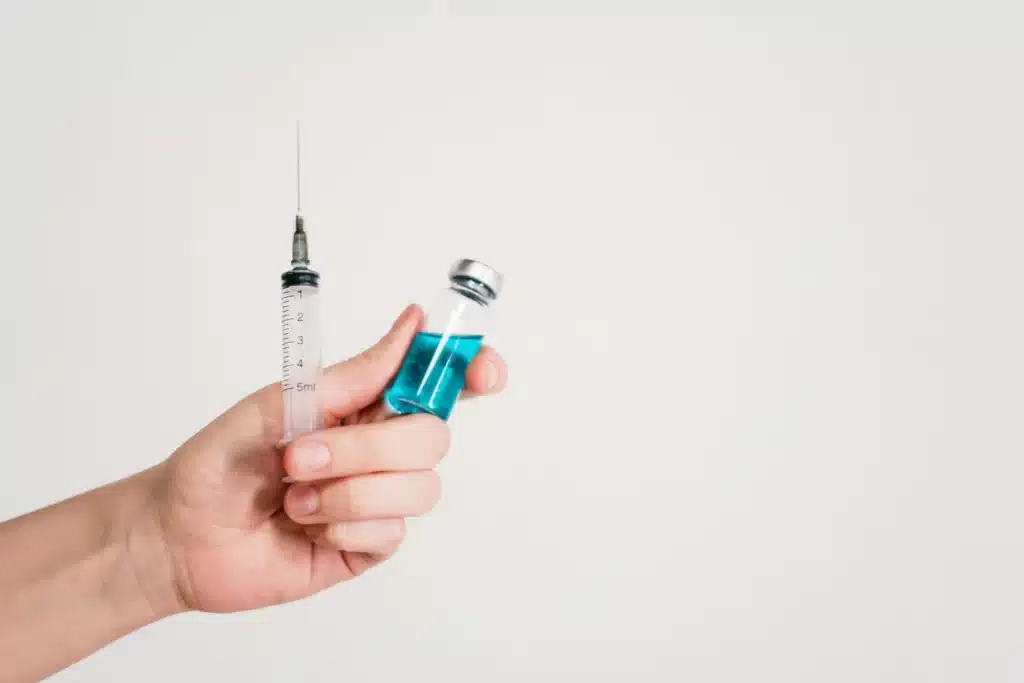
Anybody who pre-medicated with the GLP-1 peptide stack has a very different liposuction reality. At that point, these drugs, including semaglutide or tirzepatide, are renowned for weight reduction by suppressing appetite and reducing cravings. Post-surgery, remaining on GLP-1s could significantly simplify maintaining the lower weight.
Without them, some folks experience old eating habits reemerge and weight sneaks back in. For best results, doctors advise maintaining a stable weight for at least three to six months pre-surgery if you dropped pounds with GLP-1s. This aids the body in recovery and provides optimal results from liposuction. Rapid weight loss from GLP-1s can alter tissue texture, so each individual’s post-op journey can appear somewhat unique.
Here’s how ongoing weight management can look with or without GLP-1 support:
|
Strategy |
With GLP-1 Support |
Without GLP-1 Support |
|---|---|---|
|
Hunger control |
Easier, fewer cravings |
May be harder, appetite rebounds |
|
Weight stability |
More stable over time |
Higher risk of regaining weight |
|
Motivation for healthy habits |
Often higher |
May need more willpower |
|
Relapse risk |
Reduced |
Increased |
Lifestyle changes are as important as medicines. Balanced meals, daily movement and good sleep all reinforce this new body shape. For instance, incorporating additional fiber and lean protein can keep you satiated.
Some regular walks or home workouts will keep the fat off. It’s good to test body composition, too, not just weight. That is, measuring muscle and fat throughout, not just the final scale number. That way, you’ll know if the post-surgical glow you’re seeing is genuine and permanent.
Conclusion
To consider a GLP-1 peptide stack before liposuction, review realities and consult with a care team. Some might get more consistent fat loss or improved blood sugar. Many still ask about long-term effects, best dose, and who fits best. Real-world stories present a diverse array of results. Physicians continue monitoring health and impacts. All plans should suit the individual’s health and objectives. There is no one size fits all answer. Open discussions with a trusted provider assist in organizing what’s most important. For anyone wondering what’s next or new research, stay tuned to health news and ask at every stage. Maintain your own care and search for new information as science evolves.
Frequently Asked Questions
What is a GLP-1 peptide stack?
What is a GLP-1 peptide stack before liposuction? It is used in a clinical setting to prime metabolism prior to things like liposuction.
Can using a GLP-1 peptide stack improve liposuction results?
According to certain research, GLP-1 peptide stacks can assist in decreasing fat prior to liposuction, which might result in improved outcomes. Your mileage may vary and medical advice is required.
Is a GLP-1 peptide stack safe before surgery?
GLP-1 peptide stacks are typically safe when prescribed by a qualified medical professional. Since we’re all different, you’ll want to get a personal health check first.
Who should consider a GLP-1 peptide stack before liposuction?
Best candidates are those with obesity or metabolic concerns. Your provider can decide if this approach is good based on health history and goals.
Are there risks to using GLP-1 peptide stacks before liposuction?
Possible side effects are nausea, gastrointestinal discomfort, or hypoglycemia. Careful oversight from a physician reduces these dangers.
How soon before liposuction should a GLP-1 peptide stack be started?
The time frame is different. A lot of protocols recommend starting a few weeks prior to surgery. As always, follow your surgeon’s and physician’s advice for optimal results.
Will I need to continue the GLP-1 peptide stack after liposuction?
Post-surgery use is contingent upon your recovery and goals. Your medical team will manage post-procedure continuation or adjustment.